
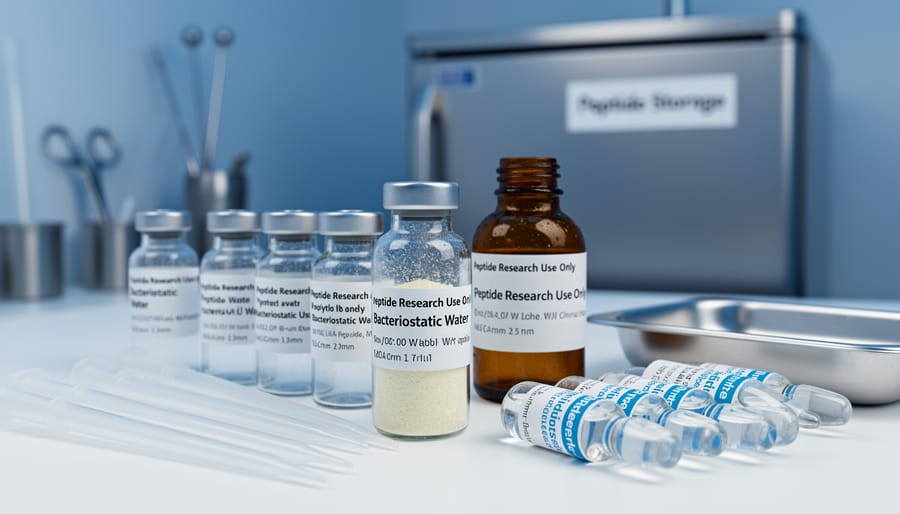
BPC-157 Molecular Profile and Storage: What Crafters Need to Know About This Emerging Material
BPC-157 is a synthetic 15-amino-acid peptide chain with the sequence Gly-Glu-Pro-Pro-Pro-Gly-Lys-Pro-Ala-Asp-Asp-Ala-Gly-Leu-Val, derived from a protective protein found in human gastric juice. If you’re exploring experimental materials for creative applications or considering how to buy BPC-157 and TB-500 understanding its molecular stability and storage requirements is essential to maintaining its integrity.
At room temperature, this peptide degrades rapidly. Proper storage demands freezing at negative 20 degrees Celsius for short-term preservation, while long-term stability requires negative 80 degrees Celsius. Once reconstituted with bacteriostatic water, the peptide remains viable for roughly 30 days when refrigerated between 2 and 8 degrees Celsius. These aren’t abstract lab protocols, they’re practical guidelines that determine whether your material investment retains its properties or becomes worthless powder.
The molecular weight sits at 1419.53 daltons, with a melting point near 203 degrees Celsius in its solid form. What makes BPC-157 particularly interesting to experimental makers is its relative stability compared to many biological compounds, though it still requires respect for basic cold-chain principles. Think of it like specialty pigments or reactive resins that demand specific environmental conditions.
This guide walks through the peptide’s chemical architecture, explains why temperature control matters at each storage phase, and provides tested preservation methods that protect your materials. Whether you’re documenting experimental processes or pushing boundaries with biomaterials, accurate molecular knowledge prevents costly mistakes and wasted resources.
Understanding BPC-157: The Science Behind the Material
The Molecular Makeup
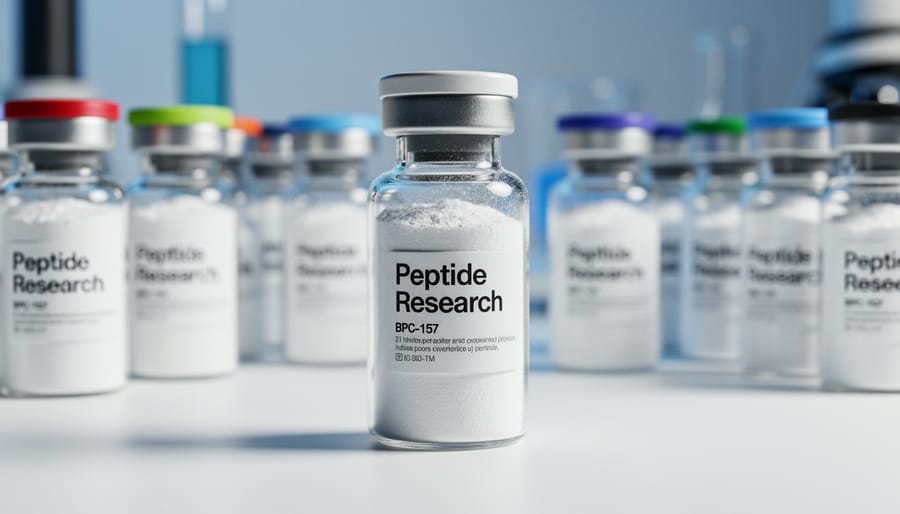
Think of BPC-157 like a chain bracelet, except instead of metal links, it’s made of fifteen specific amino acid “beads” connected in an exact sequence. This BPC-157 15-amino-acid peptide comes from a naturally occurring protein found in gastric juice, though the version artists and researchers work with is synthetically created in labs.
Each amino acid in the chain has its own chemical personality, some attract water, others repel it, some are tiny and some bulky. When they link together in BPC-157’s particular order, they create a three-dimensional structure that folds and twists into a specific shape, much like how a wire sculpture holds its form based on where you make the bends.
For crafters, this matters because that precise structure determines how the peptide behaves as a material. Change the temperature drastically or expose it to harsh conditions, and those delicate folds can unravel, similar to how protein-based glues like hide glue lose their binding strength when overheated. The chain itself remains, but its useful properties diminish once that careful molecular arrangement breaks down.
Properties That Matter for Crafters
The unique chemical temperament of BPC-157 opens up new territory for artists, but a few properties stand out when deciding how and where to use it. Stability is a primary concern: BPC-157, even though it’s a relatively robust peptide, is sensitive to heat, direct light, and moisture. That means a textile treated with BPC-157 may behave differently over time if displayed in a sunny window compared to one kept in cool, dim conditions. For crafters, this translates to thinking about your workspace and exhibition settings before committing this material to a project.
Solubility is another practical aspect. BPC-157 dissolves well in water-based solutions, which makes it adaptable for certain paint mediums or textile baths, but it won’t mingle with oil-based substances. Its limited reactivity, BPC-157 remains generally inert to most common craft materials, means it tends not to discolor or degrade fabrics, paper, or paint, but remains vulnerable to strong acids or high temperatures. These characteristics set guidelines for anyone eager to push the boundary between science and craft with confidence.
Why Storage Conditions Are Critical
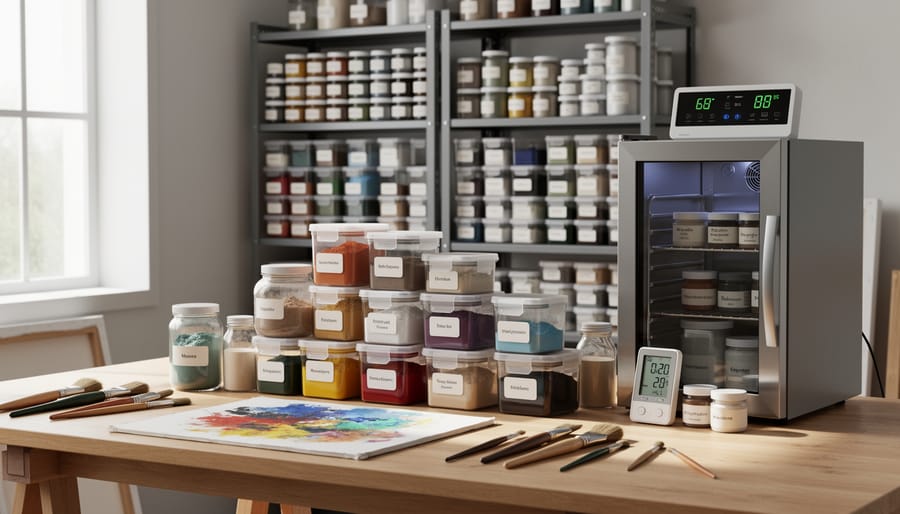
Leaving BPC-157 out on the worktable or near a sunny window might sound harmless, but for this peptide, the environment shapes its future. Exposure to the wrong conditions triggers subtle changes within its delicate molecular chain. Peptides like BPC-157 rely on each link remaining in order. Warm or fluctuating temperatures, too much light, and stray humidity can cause breakdowns, meaning the material may clump, lose solubility, weaken, or simply stop behaving as intended when you actually need it for your next piece.
Why does this happen? The peptide’s structure is held together by bonds that are sensitive to outside stress. With time, heat speeds up molecular motion, sometimes breaking these connections. Light, especially UV, can impart enough energy to unravel parts of the chain. Even excess moisture makes a difference, jump-starting chemical reactions that change both appearance and function. Once these shifts begin, they’re hard to spot visually, so you could be working with a substance that’s weakened beneath the surface.
For artists and craft experimenters, this means a batch of BPC-157 once left uncapped or beside a heater could behave nothing like the vial opened fresh from the supplier. If your creative process depends on reliable results, stable coloration, or structural integrity, controlling storage is more than a precaution, it’s part of your craft. Many makers have learned, after costly missteps, that their unique materials demand careful stewardship to remain vibrant and usable.
Practical guidance goes a long way. Pairing scientific knowledge with craft savvy, like organizing with proven supply storage tips can keep BPC-157 stable for months rather than weeks. A climate-aware approach protects your investment and lets your creative risk-taking focus on the art itself, not fighting off preventable material failures. Treat BPC-157 as you would any precious pigment or specialty textile: a little respect for conditions rewards you with consistent, beautiful results.
Optimal Storage Guidelines for Artists and Makers
Temperature and Environment
Temperature has a big impact on the longevity of BPC-157, so knowing how to manage your studio environment is essential. Much like how you might carefully store craft supplies to protect delicate paints or fibers, BPC-157 should be kept cool at all times. Unreconstituted (dry) BPC-157 is best stored in a refrigerator at 2°C to 8°C. If you’re planning on longer-term storage, the freezer is an option, but take care when thawing to prevent moisture from condensing inside the vial.
Stability drops quickly at room temperature, so don’t leave vials sitting out in a warm studio. In humid climates or workshops with temperature swings, consider using airtight containers with a silica packet to minimize moisture exposure. For artists working in variable home spaces, a small fridge dedicated to sensitive materials can make all the difference in preserving both the peptide’s properties and your investment.
Container and Packaging Choices
Choosing the right vessels for BPC-157 is as important as understanding its science. Glass vials with airtight, screw-top lids are a safe bet, preventing moisture or air from reaching the material. Certain plastics may leach chemicals over time or react with peptides; stick with borosilicate glass or certified laboratory-grade plastics when glass isn’t practical. Avoid metal lids, as they can corrode or alter the material if moisture sneaks in. Line lids with an inert material, such as polytetrafluoroethylene (PTFE), for extra safety. For artists working at home, look to the same principles used for protective storage containers in preserving paints or pigments: keep things dry, cool, and sealed. Always label your materials and wash hands before handling to limit contamination and maintain the integrity of your BPC-157.
Reconstitution and Working Storage
Once you’ve decided to work with BPC-157 in your project, handling precautions are as important as they are with any delicate craft medium. To reconstitute the powder, use sterile, distilled water and mix in a clean, dedicated container, ideally a glass vial with a secure seal. Always label your solutions with the date and concentration, and never reuse containers that have held other substances.
Prepared BPC-157 solutions are best stored in the refrigerator, away from sunlight and other heat sources. If you’re planning to use the solution within a week, keep it at a stable, cool temperature and tightly closed to reduce exposure to air and moisture. Never store reconstituted peptide at room temperature for extended periods, as this can compromise its stability. As with dyes or glazes, keeping a tidy, well-ventilated workspace and wearing gloves will protect both your material and your health. Dispose of any leftover solution thoughtfully, just as you’d handle old paint water, never down the drain.
Creative Applications in the Crafting World
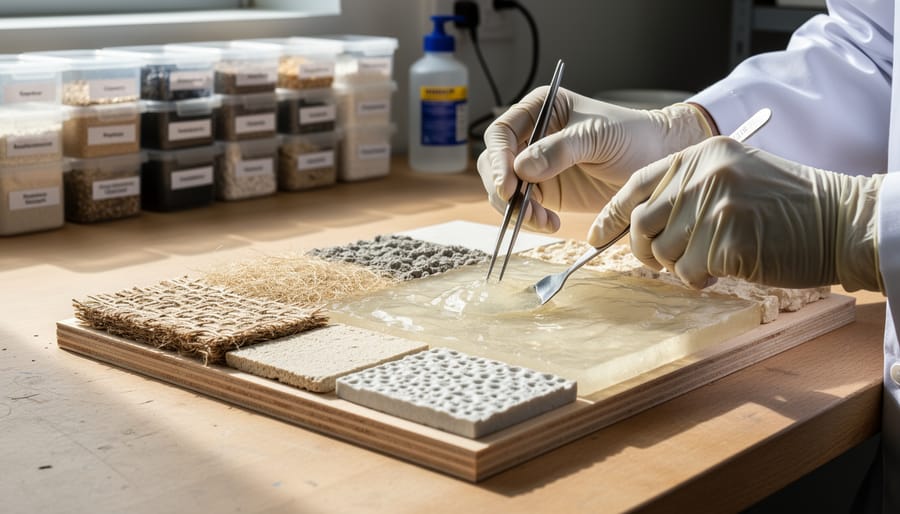
Artists drawn to the unknown often explore materials most people would overlook, and BPC-157 is slowly finding its way into the hands of creators who see potential in a peptide chain where others see only a lab compound. It’s showing up in experimental textile collectives, among bio-artists who blend biology with sculpture, and in the toolkits of makers eager to push the boundaries of material science and traditional handiwork.
One textile artist from Berlin, for example, wanted to see if BPC-157’s molecular stability could help preserve natural fibers dyed with botanical pigments. She wove fine linen treated with a dilute BPC-157 solution, monitoring how the colors resisted oxidation over several months. While her results are still ongoing, she’s shared that the treated threads show noticeably less fading when left in sunlight, opening doors for sustainable alternatives to chemical fixatives in fabric art.
In the world of bio-art, sculptor Tara M. used a BPC-157-based gel to create intricate, living-inspired forms. Tara explains that because BPC-157 is water-soluble and relatively stable, it let her blend the peptide directly into transparent resins shaped by molds she carved by hand. Once cured, the sculptures glimmered with subtle opalescence. Tara’s intent wasn’t clinical, but rather to evoke the invisible resilience woven into organic forms, a poetic nod to BPC-157’s origins as a healing agent in medical research.
Glassworkers and resin artists have also started to tinker with BPC-157, experimenting with how its unique properties might interact with colored glasses, recycled plastics, and textile inclusions. While these makers share their results mostly in private online groups, recurring themes include enhanced color retention, unusual tactile effects (described by one artist as “soft gloss”), and new approaches to blending traditional and unconventional media.
What sets these creatives apart isn’t just access to scientific materials, it’s their willingness to prototype, fail, and share. Their stories show that weaving peptide science into the arts isn’t about abandoning old techniques, but enriching them. The intersection of BPC-157’s chemical reliability and an artist’s vision proves that boundaries in craft are only as fixed as the materials we choose to explore.
Common Questions About BPC-157 for Crafters
Curiosity about BPC-157 is growing among artists, especially as it gains traction as an experimental material. Before diving in, many crafters want practical, reassuring answers about how to work safely and responsibly with this peptide. Here are a few of the most common questions artisans ask when considering BPC-157 for their creative projects:
Is BPC-157 safe to handle in a studio setting?
It’s generally safe if you use gloves, avoid skin contact, and work in a well-ventilated space. Treat it with the same care as any laboratory chemical not specifically designed for home or craft use.
Where can artists source BPC-157?
Artists usually find BPC-157 from specialty scientific suppliers or online stores, but it’s essential to verify the supplier’s reputation, as purity and legality vary by region.
What happens if storage conditions aren’t perfect?
If BPC-157 is exposed to heat, sunlight, or moisture, its molecular profile can degrade faster, potentially making it less useful for artistic applications, try to limit these exposures as much as possible.
Can it be shipped safely to home studios?
Yes, but it usually comes in temperature-controlled packaging or as a freeze-dried powder to preserve its stability during transit. Always check shipping practices with your supplier for best results.
Many artists also wonder about the learning curve. Incorporating a synthetic peptide like BPC-157 into artwork is less daunting than it might seem, especially if you approach it as you would any new medium. Take time to get comfortable with safe handling and storage, and start on small-scale experiments. Those with experience storing dyes or delicate pigments will find familiar territory in the care requirements for peptides. Longevity will depend on how closely you follow the recommended storage guidelines, a cool, dark, dry space gives your materials the best chance at a long shelf life. Crafting with BPC-157 isn’t about perfection from the start; it’s about thoughtful experimentation, learning from the process, and enjoying the creative discoveries that follow.
Working with innovative materials like BPC-157 requires balancing scientific understanding with creative vision. Throughout this guide, we’ve explored how the peptide’s molecular structure dictates its behavior and why proper storage isn’t optional, it’s essential for preserving the material’s integrity and your investment.
The intersection of peptide science and artistic practice might seem daunting at first, but knowledge transforms complexity into opportunity. When you understand what makes BPC-157 stable or vulnerable, you gain control over your materials rather than simply hoping they’ll perform as expected.
Store your peptides correctly, handle them with care, and approach experimentation with both curiosity and caution. The artists pushing boundaries with bio-materials today started exactly where you are: asking questions, reading guidelines, and taking their first careful steps.
Your creativity thrives when supported by solid foundational knowledge. Whether you’re exploring peptides for bio-art, experimental preservation, or entirely new applications, you’re contributing to an emerging field where craft and science converge. Stay curious, stay informed, and let your understanding of these materials guide your next creative breakthrough.