8 American Made Fashion Brands for Conscious Crafters and Makers
American fashion lovers hunting for domestically-made clothing will find a thriving landscape of seven standout brands keeping production stateside, from heritage denim makers in North Carolina to innovative knitwear studios in Los Angeles. These aren’t companies that simply slap an American label on imported goods. Each one cuts, sews, and finishes garments on U.S. soil, supporting local craftspeople and maintaining transparent supply chains you can actually verify.
The shift toward American-made fashion mirrors what’s happening across North America, where Canadian brands have also embraced domestic manufacturing to meet growing demand for ethical, traceable clothing. For makers and crafters reading this, these brands offer more than shopping options. They’re proof that small-scale, quality-focused production can compete in a market flooded with fast fashion.
What makes a brand truly American-made? Look beyond marketing claims. The Federal Trade Commission requires that products labeled “Made in USA” be substantially transformed domestically, with all significant processing and labor happening here. Some brands go further, sourcing American-grown cotton and milling fabric in century-old factories that employ skilled sewers earning fair wages.
Whether you’re building a conscious wardrobe or studying these businesses as models for your own handmade craft venture, understanding who’s making what (and where) matters. The brands ahead prove that American manufacturing isn’t just surviving in 2026. It’s creating beautiful, durable clothing while preserving artisan skills worth protecting.
Why We Chose These American Brands
We selected these American brands using criteria that matter to crafters and conscious makers who understand what truly handmade quality means. Too many “American” fashion labels slap on patriotic branding while manufacturing overseas, but the brands on our list meet stricter standards.
Our selection criteria included:
- Verified American manufacturing, garments cut and sewn in the US, not just designed here
- Artisan or handmade production elements that showcase traditional craftsmanship
- Transparent labor practices with fair wages for garment workers
- Accessibility for individual buyers, not just wholesale accounts
- Alignment with slow fashion and craft community values
These standards mirror what makes Canada’s fashion manufacturing scene so compelling: both countries have brands committed to preserving garment-making skills, supporting local economies, and choosing quality over mass production. The American makers featured here share the same DNA as their Canadian counterparts, they’re part of a North American movement that values the hands behind the clothing. For crafters who pour hours into their own handmade goods, supporting these brands means investing in the same artisan economy you’re building.
1. American Trench, Heritage Socks and Accessories Woven in North Carolina
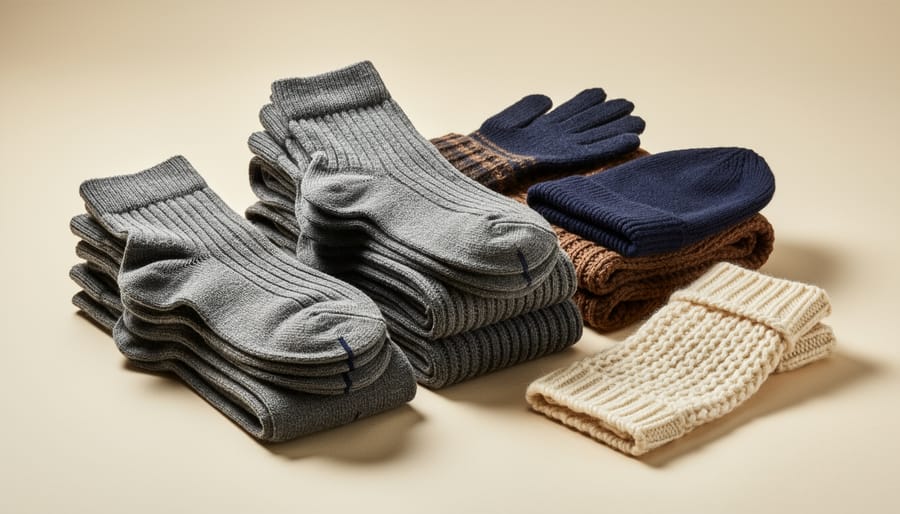
American Trench started in 2012 when founder David Houk noticed the American textile industry was disappearing and decided to do something about it. Rather than chase cheaper manufacturing overseas, he partnered with heritage mills in North Carolina’s Fort Paxton facility, a 112-year-old factory that had seen better days. His mission: bring those historic knitting machines back to life producing the kind of quality socks and accessories American mills were once famous for.
The brand’s signature product is socks, knit on vintage circular machines that create a seamless tube with none of the uncomfortable toe seams you find in mass-produced footwear. These aren’t machines you can buy new, Houk sources them from shuttered factories and restores them himself. Each pair of socks takes significantly longer to produce than modern alternatives, but the result is that perfectly broken-in feel right out of the package. Beyond socks, American Trench makes baseball caps, bandanas, and scarves, all manufactured at the same North Carolina facility.
For crafters who appreciate traditional methods and rescued equipment, American Trench’s story hits home. It’s the same philosophy that drives someone to restore a vintage sewing machine or hand-dye yarn using old techniques. The brand proves that slow, intentional production using heritage tools creates something genuinely different from factory-stamped goods. That careful, hands-on approach is similar to the satisfaction of completing a DIY phone case rather than buying one off a shelf.
You can shop directly from their website, with socks typically ranging from $18 to $28 per pair and accessories between $25 and $75.
2. Eileen Fisher, Timeless Women’s Wear from New York’s Garment District
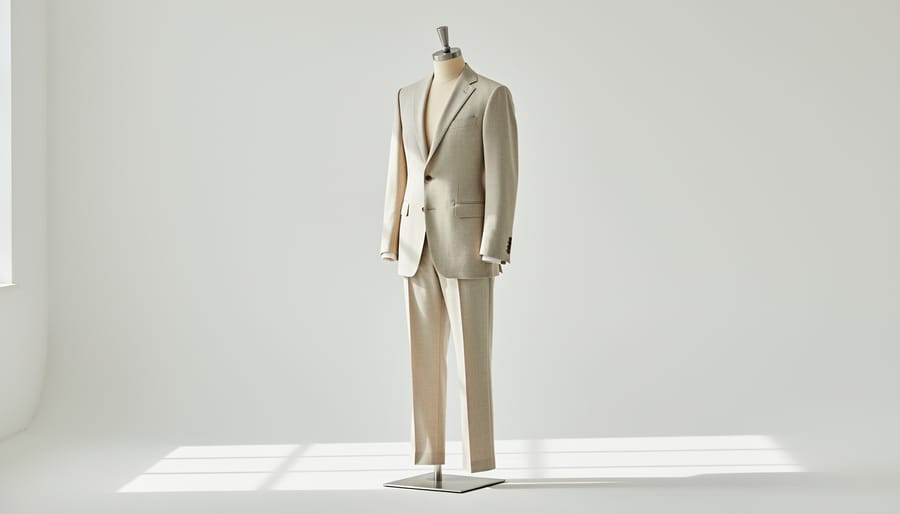
Eileen Fisher has carved out a distinctive space in American fashion by keeping select pieces in its collection made domestically, primarily through partnerships in New York’s historic garment district. While the brand produces globally, its made-in-USA line focuses on core pieces like ponte knit pants, merino wool sweaters, and silk shells where quality and fit consistency matter most. Each domestically-made garment carries clear labeling, making it easy for conscious shoppers to identify American production.
The brand’s design philosophy aligns naturally with craft values: simple silhouettes that let exceptional fabrics shine. Eileen Fisher sources premium organic cotton, linen, and wool, then cuts these materials into uncomplicated shapes that highlight texture and drape rather than trendy details. This approach mirrors how skilled crafters choose materials first, then design around what the fabric wants to become. The timeless pieces work as blank canvases for personal style, much like a well-made handmade garment forms the foundation of a thoughtful wardrobe.
What truly resonates with the crafting community is Eileen Fisher’s Vision2020 take-back program, which accepts worn garments from any brand for resale, redesign, or fiber recycling. Returned Eileen Fisher pieces get sorted: gently worn items are cleaned and resold through the brand’s Renew shops, while damaged garments are either remade into new designs by a team of artisan resewers or broken down for fiber content. This circular approach mirrors the craft ethos of reusing materials, honoring the labor in each garment, and keeping textiles out of landfills.
Pricing runs premium, typically starting around $150 for basics and climbing to $400-plus for tailored pieces. The investment reflects fair labor practices and quality construction designed for years of wear rather than a single season.
3. Raleigh Denim Workshop, Hand-Finished Jeans Crafted in North Carolina
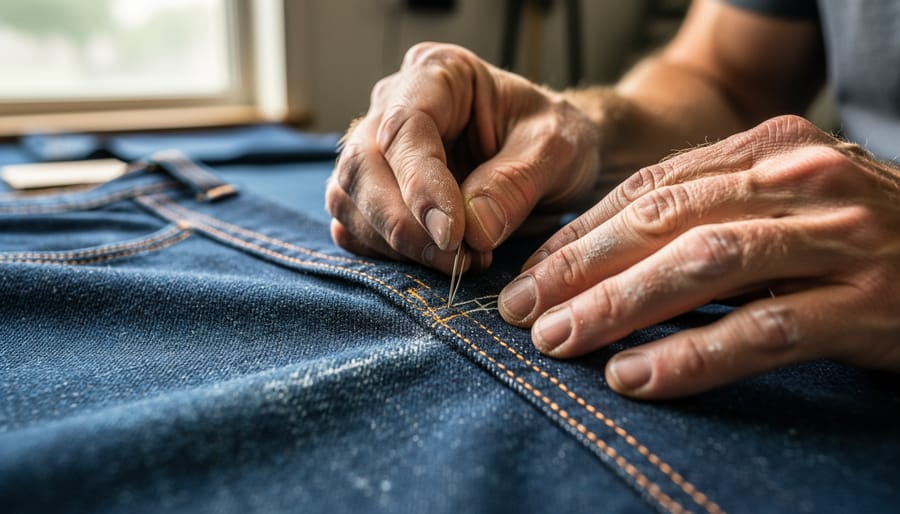
Raleigh Denim Workshop represents the kind of career pivot many crafters dream about. Founders Sarah Yarborough and Victor Lytvinenko left corporate fashion jobs in New York to return to Raleigh, North Carolina, where they built a denim brand around hands-on craftsmanship. Instead of mass production, they created a workshop model where skilled sewers hand-finish each pair of jeans from start to finish.
This approach resonates deeply with makers who understand garment construction. Each sewer cuts the denim, assembles the pieces, and completes all finishing touches on a single pair of jeans. It’s the same intentional, start-to-finish process that handmade craft enthusiasts bring to their own work. The workshop keeps vintage sewing machines running alongside modern equipment, blending old-school techniques with contemporary fits.
What sets Raleigh Denim apart is the visible maker’s hand in every garment. The slight variations between pairs aren’t flaws but proof of human craftsmanship. For crafters who’ve spent hours perfecting a hand-sewn seam or wrestling with fabric grain, this attention to construction details matters. The brand offers customization through their workshop, allowing customers to choose different rises, inseams, and washes.
Pricing reflects the labor involved. Expect to pay between $275 and $350 for a pair of jeans, which positions them as an investment piece rather than casual purchase. The workshop also creates limited-edition cuts and collaborates with local artists, keeping the connection between craft and fashion alive.
You can buy directly from their Raleigh flagship store or online, where they clearly mark which styles are made in their North Carolina workshop versus overseas production.
4. Buck Mason, California Casualwear with Transparent Sourcing
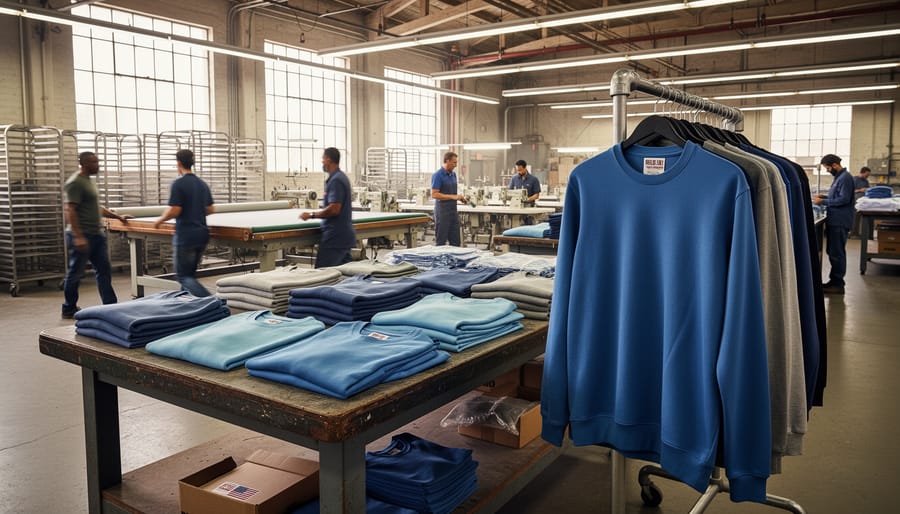
Buck Mason operates factories in both Los Angeles and overseas, so you’ll need to filter their website specifically for “Made in USA” items if domestic production matters to you. Their transparency about this mixed approach actually sets them apart, instead of vague “designed in California” language, they clearly mark which pieces come from their LA facility and which don’t.
The brand runs regular factory tours at their downtown Los Angeles workshop, inviting customers to see exactly where and how their American-made pieces are constructed. For crafters curious about the business side of ethical manufacturing, these tours reveal the real economics: what it costs to pay fair wages in California, how production runs are sized to minimize waste, and why certain items simply can’t be made domestically at accessible price points. This honest conversation about trade-offs resonates with makers who’ve done their own cost calculations for handmade goods.
Buck Mason’s California-made collection focuses on wardrobe basics, tees, sweatshirts, and button-downs, where their streamlined designs maximize efficiency without sacrificing quality. The pieces showcase how thoughtful pattern-making and fabric selection can create timeless garments that compete with fast fashion on simplicity while delivering superior construction. Their curved-hem tees, for example, are cut to eliminate side seams, a detail that speeds production while improving fit.
The brand publishes detailed breakdowns of their supply chain, naming fabric mills and showing production costs. This level of transparency offers a masterclass for craft entrepreneurs figuring out their own pricing and sourcing. When you understand that a $48 made-in-LA tee includes $18 in labor costs alone, you gain perspective on why handmade goods command premium prices, and why supporting domestic manufacturing protects skilled jobs in the garment industry.
5. Emerson Fry, Women’s Apparel Handmade in New York City
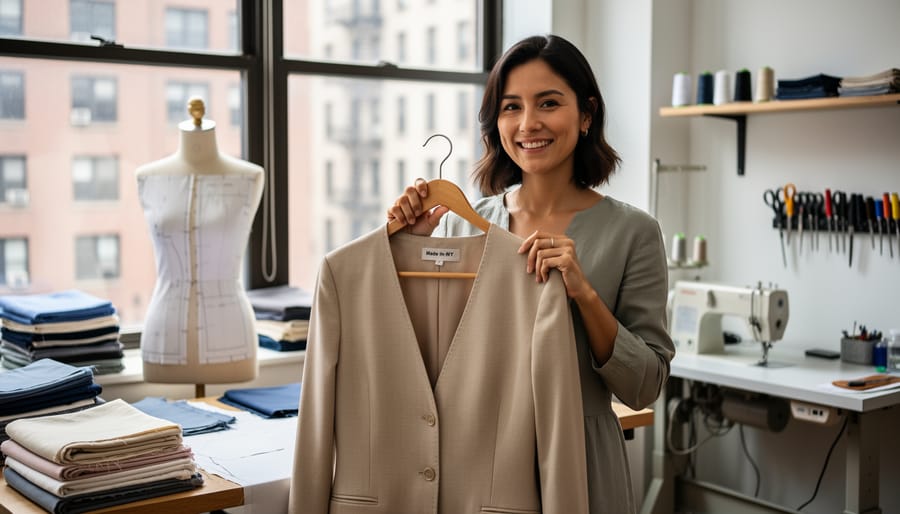
Emerson Fry built its reputation on a radical idea: that every piece of women’s clothing should be cut and sewn by a single artisan in New York City, not passed down an anonymous assembly line. Founded in 2010, the brand operates from a small Manhattan studio where a tight-knit team of skilled seamstresses crafts each garment from start to finish. This isn’t just marketing, it’s a deliberate preservation of traditional garment-making techniques that are rapidly disappearing from American fashion.
The brand’s seasonal collections focus on versatile, minimalist pieces that bridge the gap between elevated basics and special-occasion wear. Think silk camisoles, linen jumpsuits, and lightweight dresses perfect for a summer wardrobe. Each seamstress signs the garment they’ve made, creating a direct connection between maker and wearer that mirrors the relationship craft enthusiasts have with their own handmade pieces.
Emerson Fry’s production model means limited quantities and higher price points, dresses typically start around $300, with more complex pieces reaching $600. For crafters who understand the hours behind a hand-sewn garment, these prices reflect fair compensation for skilled labor and quality materials. The brand sources deadstock and small-lot fabrics, reducing waste while supporting New York’s remaining textile suppliers.
What resonates most with the crafting community is Emerson Fry’s transparency about the people behind each piece. The brand regularly features its seamstresses, sharing their stories and expertise. This celebrates garment-making as a valued craft rather than invisible labor, aligning perfectly with the maker movement’s emphasis on knowing, and honoring, the hands that create what we wear.
6. Duluth Trading Company, Workwear Engineered in the Midwest
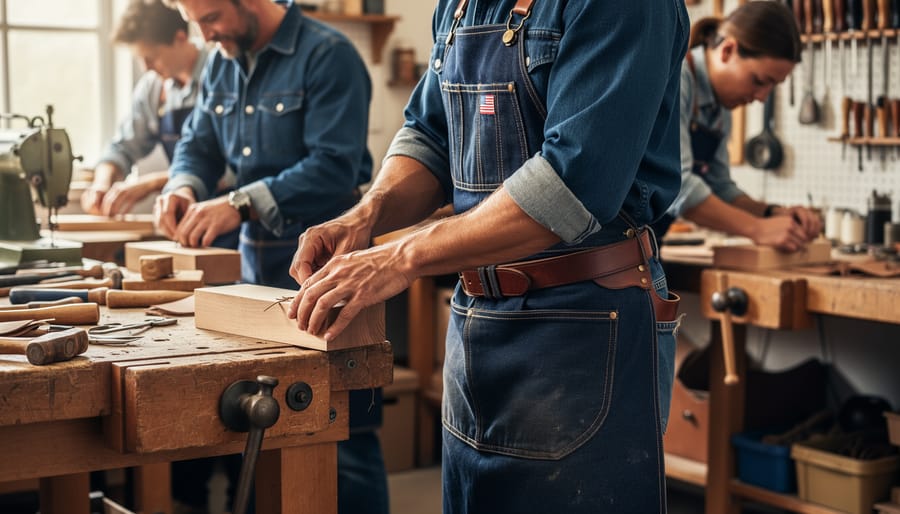
Duluth Trading Company built its reputation by listening to frustrated tradespeople who were tired of work pants that ripped at the knees and shirts that untucked every time they bent over. That customer-driven design philosophy, where real problems get real solutions, mirrors how craft communities share tips and improve techniques together.
While Duluth produces some items domestically, their manufacturing is split between American facilities and overseas factories. You’ll need to check individual product tags and filter specifically for “Made in USA” items on their website. Their American-made workwear line includes select styles of their signature Fire Hose® work pants, reinforced with Crouch Gard® patches, sewn in Midwest facilities alongside certain flannel shirts and canvas work jackets.
What makes Duluth worth considering for makers is their obsessive focus on functional details born from actual use. Their No-Yank™ Tank won’t ride up when you reach overhead. The Fire Hose pants use tightly-woven canvas that laughs at wood splinters and metal shavings. Longtail T-shirts stay tucked through a full day in the studio. These aren’t fashion statements, they’re problem-solvers designed by people who understand that when you’re elbow-deep in a project, your clothing needs to work as hard as you do.
The company actively solicits feedback through their customer reviews and “Ingenious” product testing program, refining designs based on how garments perform in workshops, jobsites, and craft studios. For sewers, woodworkers, metalworkers, and other hands-on makers, that means workwear engineered around movement, durability, and the kinds of wear patterns that only real-world use reveals. Prices run $50-120 for core workwear pieces, positioned as buy-it-once investment clothing rather than seasonal replacements.
7. Elizabeth Suzann, Slow Fashion Sewn by Hand in Nashville
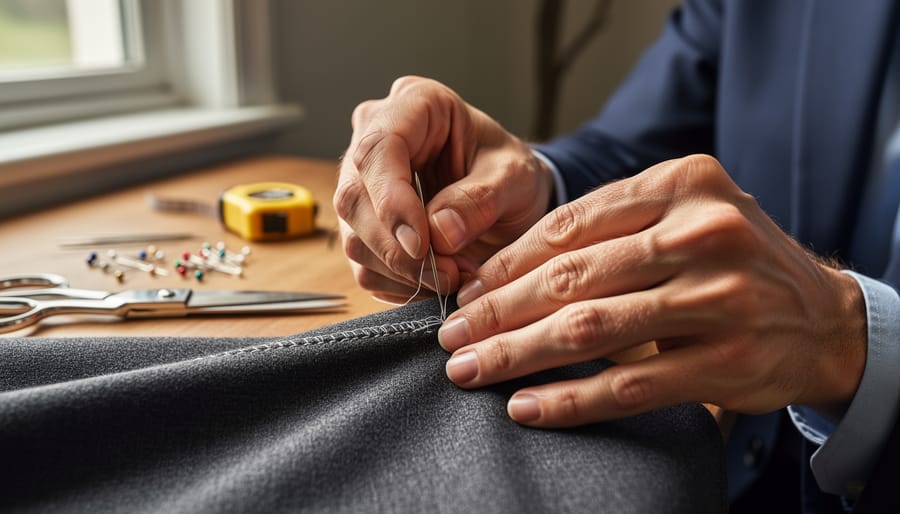
Elizabeth Suzann built her Nashville-based brand on a principle familiar to any crafter who has sewn their own garments: one person, one piece, start to finish. Founded in 2013, the brand operated on a made-to-order model where each item was cut and sewn by a single maker in their Nashville studio, eliminating waste and ensuring living wages for skilled sewers.
The company’s radical transparency mirrored the way craft communities share their processes. Elizabeth Suzann published detailed pricing breakdowns showing exactly where each dollar went, fabric costs, maker wages, overhead, the same transparency you’d find in a maker explaining the true cost of their crochet tank patterns or why an easy crochet blanket requires investment in quality yarn.
However, the brand closed its direct-to-consumer operations in 2020, citing the unsustainable pace required to meet growing demand while maintaining their quality-over-quantity ethos. Founder Elizabeth Pape was candid about the challenges of scaling slow fashion in a market conditioned to expect constant newness and quick shipping.
The brand’s legacy matters to craft-focused consumers because it proved the market existed for transparent, maker-centered fashion while also highlighting the real tensions between growth and maintaining artisan values. Some Elizabeth Suzann pieces still circulate through resale markets, prized for their quality construction and timeless designs.
For crafters, Elizabeth Suzann’s story offers both inspiration and caution: the importance of sustainable business models that don’t sacrifice maker welfare for expansion, and the recognition that sometimes supporting artisan values means accepting longer wait times and higher prices that reflect true costs.
What American and Canadian Fashion Manufacturing Share
Both American and Canadian fashion manufacturing share a foundational belief that clothing should support the people who make it. Fair wages aren’t just a marketing point, they’re how these brands preserve the skilled trades that fast fashion nearly wiped out. When you buy from domestic manufacturers, whether north or south of the border, you’re investing in garment makers who can actually make a living from their craft, the same way you hope buyers will value your own custom handmade accessory at a fair price.
The environmental math works in your favor too. Shorter supply chains mean fewer shipping emissions, and North American labor standards tend to produce less textile waste than offshore fast-fashion factories. Both countries’ craft-focused fashion scenes have sparked a quiet revolution: smaller batches, transparent sourcing, and makers who sign their work.
These movements feed each other. Canadian brands watch American makers revive heritage mills; American designers study Canada’s knitwear collectives. What emerges is a shared alternative to disposable fashion, one where the person sewing your jacket isn’t anonymous, and quality beats quantity every time.
Supporting North American Fashion Artisans
When you invest in North American fashion brands, you’re strengthening the same artisan economy you’re part of as a maker. Every dollar spent on domestically-manufactured clothing supports skilled garment workers, preserves traditional sewing techniques, and keeps manufacturing jobs in communities where fair wages and safe working conditions are protected by law. It’s the fashion equivalent of choosing handmade over mass-produced.
Start your search by exploring brand websites that openly share factory locations and maker stories. Organizations like the Council of Fashion Designers of America and the Canadian Apparel Federation maintain directories of domestic manufacturers. Follow hashtags like #MadeInUSA and #MadeInCanada on Instagram to discover smaller brands, and don’t hesitate to email companies directly asking where specific items are sewn. Most truly domestic brands are proud to answer.
Connect your wardrobe choices to your craft philosophy. Just as you price your handmade goods to reflect the hours and skill invested, recognize that same labor in the clothing you buy. When you understand garment construction from your own sewing or textile work, you’ll spot quality immediately and appreciate why a locally-made shirt costs more than its overseas equivalent. Supporting these brands isn’t just ethical consumption, it’s community building across the entire North American maker ecosystem.
Common Questions About American-Made Fashion
How much more expensive is American-made clothing?
Expect to pay 30-50% more than mass-market equivalents, but prices vary widely. A basic American-made tee might run $40-60 versus $15-20 for imports, while handmade jeans can reach $200-300 compared to $50-80 for conventional pairs. The premium reflects fair wages, smaller production runs, and higher-quality materials that often outlast cheaper alternatives.
Are all pieces from these brands made in the US?
Not always. Many brands produce both domestic and imported lines, so check individual product tags and descriptions. Buck Mason and Duluth Trading Company, for instance, clearly mark which items are American-made while offering imported pieces alongside them. When in doubt, contact the brand directly before purchasing.
How can I verify manufacturing claims?
Look for specific factory locations or mill names rather than vague “made in USA” stamps. Trustworthy brands publish transparency reports, name their production partners, or offer factory tours. Check the garment’s sewn-in label for origin details, and be wary of brands that only mention where they’re “designed” without clarifying production locations.
What’s the difference between ‘Made in USA’ and ‘Designed in USA’?
“Made in USA” means the garment was cut and sewn domestically, while “Designed in USA” only indicates where it was conceived, production likely happened overseas. For crafters who value supporting local manufacturing, “made” is the meaningful distinction. Some brands blur this line intentionally, so read the fine print.
Can I visit these factories or workshops?
Several brands welcome visitors. Raleigh Denim Workshop and Buck Mason offer regular factory tours where you can watch garments being made, while American Trench occasionally hosts mill visits. Contact brands ahead of time to schedule appointments, as small workshops can’t always accommodate drop-ins during production hours.
These questions come up repeatedly because buying American-made clothing requires more research than grabbing something off a department store rack. The extra effort connects you to the same artisan economy you’re building through your own craft work. When you know who sewed your jacket and where the fabric was woven, you’re participating in the transparent, skill-respecting system that makes handmade crafts valuable in the first place.