
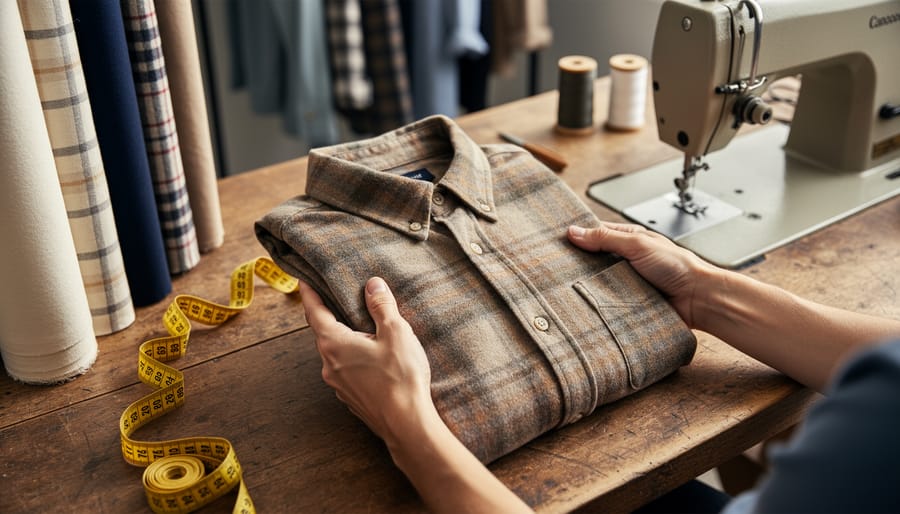
Made in Canada Clothing Brands: 8 Labels Championing Local Craftsmanship
Canadian-made clothing brands offer a direct path to supporting local artisans, reducing your fashion footprint, and investing in pieces built to last. From Province of Canada’s everyday tees and flannel shirts crafted entirely within Canadian borders to Roots’ dedicated Made in Canada collection spanning clothing, bags, and accessories, these makers prove that homegrown fashion stands shoulder-to-shoulder with any international label. You’ll find brands like TRISTAN specializing in women’s clothing, alongside rising names such as A Bronze Age, Le-febour, and Harly Jae that combine traditional craftsmanship with contemporary design.
The real value goes beyond patriotism. When you choose Canadian-made, you’re connecting with makers who often oversee production from fabric selection to final stitch, much like the artisans in other craft traditions. These brands typically offer transparency about their manufacturing process, fair wages for garment workers, and quality that outlasts fast fashion by years. Many maintain smaller production runs, giving each piece the attention usually reserved for handmade goods.
This guide walks you through eight verified Canadian clothing brands, what makes their manufacturing genuinely local, and how to spot authentic Canadian production in a market crowded with vague origin claims.
Why Choose Made-in-Canada Fashion
Choosing Canadian-made fashion means investing in more than just clothing. When you purchase from local manufacturers, your money supports the artisans and garment workers who stitch, cut, and craft each piece right here at home. These are skilled makers keeping traditional techniques alive, from pattern-making to finishing details that mass production often skips.
The benefits extend far beyond the garment itself:
- Your purchase sustains Canadian jobs and supports local artisans who rely on domestic manufacturing
- Closer oversight of production facilities ensures workers receive fair wages and safe conditions
- Shorter shipping distances mean a smaller carbon footprint compared to overseas manufacturing
- Local production allows tighter quality control at every stage, from fabric selection to final inspection
- Supporting domestic makers preserves garment-making skills that risk disappearing as production moves offshore
There’s a real connection between the handmade craft movement and choosing Canadian-made fashion. Both celebrate the maker’s hand, the value of skills passed down and refined, and the relationship between creator and consumer. When you buy a flannel shirt sewn in a Canadian workshop, you’re participating in the same ethos that drives support for independent potters, woodworkers, and textile artists. You’re saying the maker matters. The quality of Canadian fabrics and construction often reflects this commitment. Brands manufacturing domestically can visit their facilities, build relationships with their sewers, and catch issues before they become problems. That direct oversight translates into clothing that lasts, fits better, and carries the integrity of true craftsmanship.
How We Selected These Brands
Our selection process focused on three core principles to ensure every brand featured genuinely represents Canadian craftsmanship. First, we verified that each company manufactures its products in Canada rather than simply designing them here. This distinction matters because true made-in-Canada labels support local manufacturing jobs and keep traditional garment-making skills alive in communities across the country.
Second, we looked for brands showing genuine commitment to quality through their materials, construction techniques, and attention to detail. Whether a brand produces everyday basics or statement pieces, the craftsmanship had to reflect the care you’d expect from makers who take pride in their work. Third, we considered product range and accessibility. The featured brands span different categories from wardrobe essentials to women’s fashion to artisan pieces, ensuring you’ll find options whether you’re building a basic wardrobe or searching for something special. Just as crafters carefully add charms to personalize their creations, these brands bring their own distinctive approach to Canadian-made fashion while maintaining local production standards.
1. Province of Canada, Everyday Essentials Made Locally
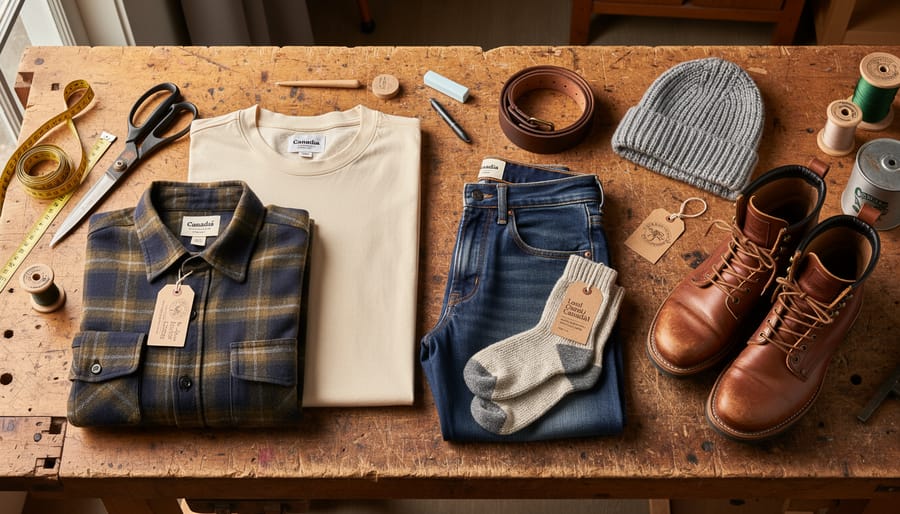
Province of Canada stands out for a straightforward promise: every product they make happens in Canada, from cutting fabric to sewing the final seam. This commitment to local manufacturing means real jobs for Canadian garment workers and quality you can trace back to specific facilities rather than distant factories.
Their lineup focuses on wardrobe essentials you’ll reach for repeatedly. The Everyday Tees deliver the kind of reliable fit and fabric weight that survives countless washes without losing shape, the sort of foundational piece that disappears into your daily routine in the best way. Their Canada Flag Knit celebrates national pride through wearable design, offering a modern take on Canadian iconography that works beyond holidays and hockey games. The Flannel Shirts tap into classic Canadian style with patterns and constructions built for actual wear, not just weekend cabin photos.
What makes Province of Canada particularly relevant for craft-minded shoppers is their dedication to the making process itself. Keeping production local preserves garment construction skills that fast fashion has pushed offshore. When you buy from them, you’re supporting the same values that drive handmade craft communities: fair wages for skilled workers, transparency about where things come from, and quality that prioritizes longevity over disposability. Their pieces won’t dazzle with avant-garde cuts, but that’s precisely the point, they’re creating the reliable staples that form the backbone of a thoughtful wardrobe.
2. Roots, Iconic Canadian Heritage
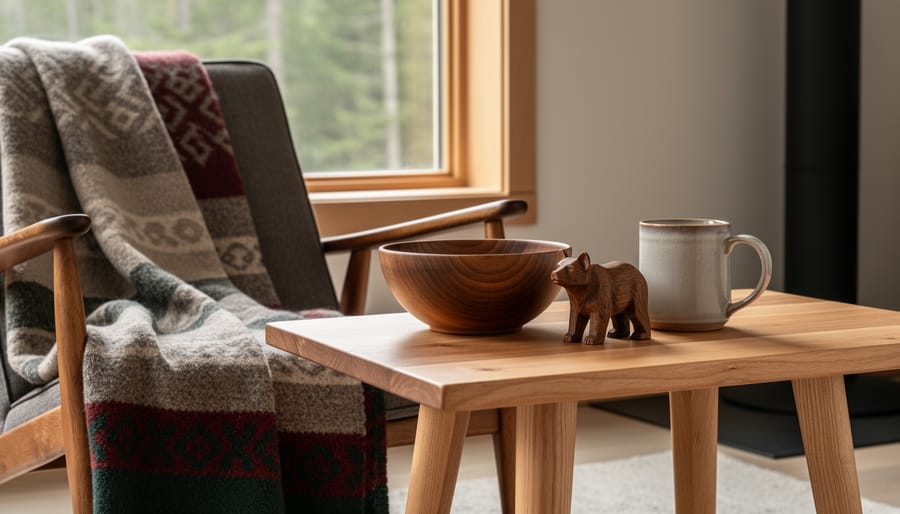
Since 1973, Roots has stood as one of Canada’s most recognizable fashion brands, and their Made in Canada collection represents a continued commitment to local manufacturing. While the company has grown into an international name, they’ve maintained a dedicated line of clothing, bags, and accessories proudly crafted in Canada, keeping traditional garment-making expertise alive on home soil.
The Made in Canada collection spans a thoughtful range of products that showcase both the brand’s leather craftsmanship and textile work. You’ll find everything from signature leather bags and small accessories to comfortable sweats and classic pieces that carry the Roots aesthetic. Each item in this collection keeps production jobs in Canadian facilities, supporting the skilled workers who cut, stitch, and finish these goods.
What sets Roots apart is the scale at which they’ve committed to local production. Rather than offering just a token capsule collection, they maintain an ongoing Made in Canada line that gives customers genuine choice across multiple product categories. This approach demonstrates that even as a major brand, it’s possible to sustain Canadian manufacturing while meeting consumer demand for quality and style.
For anyone building a wardrobe of Canadian-made pieces, Roots offers the advantage of accessibility. With retail locations across the country and a robust online presence, finding and purchasing their locally-crafted items is straightforward, making it easier to support domestic production without hunting down hard-to-find makers.
3. TRISTAN, Women’s Fashion with Canadian Roots
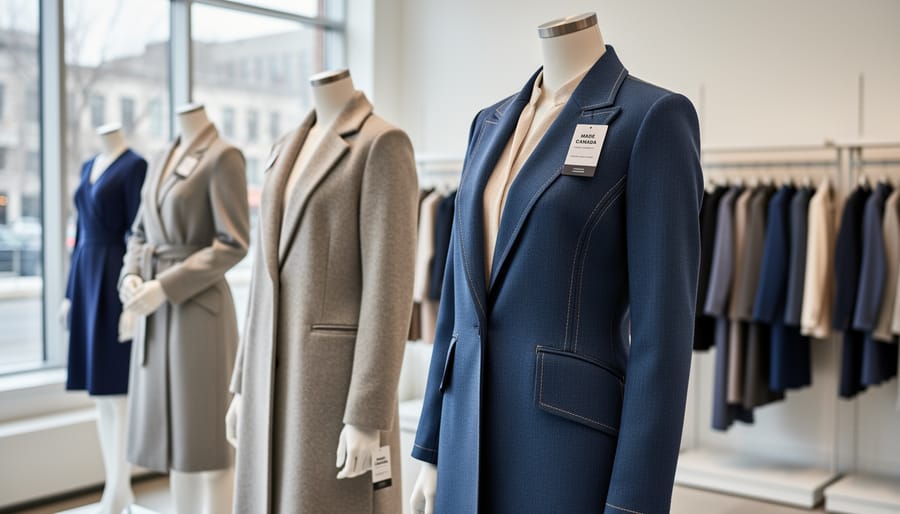
TRISTAN represents a distinctly feminine approach to Canadian manufacturing, carving out space in the market for women seeking contemporary style without compromising on local production values. The brand has built its reputation on a made-in-Canada collection that speaks directly to women who want quality pieces with verifiable Canadian roots, proving that everyday fashion can be both stylish and ethically produced close to home.
What sets TRISTAN apart is their unwavering focus on women’s clothing specifically. Rather than attempting to serve every demographic, they’ve channeled their expertise into understanding what modern Canadian women need from their wardrobes. This specialization shows in their attention to fit, fabric selection, and the kinds of pieces that transition seamlessly from professional settings to weekend wear. Their commitment to local manufacturing means Canadian garment workers handle every step of production, ensuring the kind of quality control that overseas manufacturing simply can’t match.
The brand’s approach to contemporary design honors both current trends and timeless wearability. They work with quality fabrics that hold up to repeated wear and washing, a practical consideration that matters when you’re investing in locally-made pieces. By maintaining production within Canada, TRISTAN keeps skilled seamstresses employed and traditional garment-making techniques alive, connecting each purchase directly to the preservation of Canadian manufacturing expertise. For women specifically seeking made-in-Canada fashion options, TRISTAN offers a focused collection that doesn’t compromise style for ethics or quality for proximity.
4. A Bronze Age, Artisan-Crafted Pieces
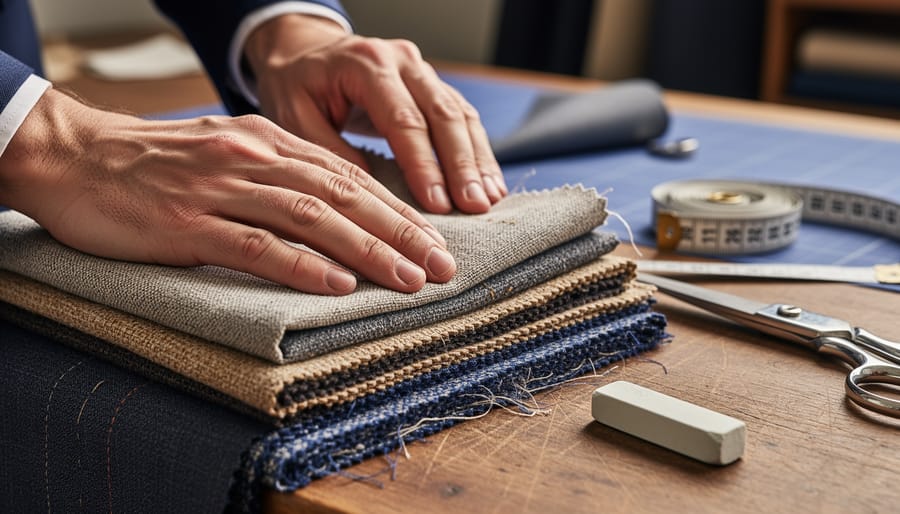
A Bronze Age represents a quieter corner of the Canadian fashion landscape, where artisan craftsmanship takes precedence over mass production. While information about the brand’s specific product lines and manufacturing processes isn’t widely publicized, A Bronze Age has earned recognition among Canada’s noteworthy locally-made labels for its commitment to domestic production.
What sets A Bronze Age apart in the contemporary Canadian fashion scene is its approach to smaller-scale manufacturing. Rather than competing with large heritage brands on volume, the label focuses on pieces that reflect individual maker sensibility. This positioning aligns with a broader shift in Canadian fashion toward valuing the story behind each garment and the hands that made it.
The brand’s inclusion among recognized made-in-Canada names speaks to a growing appreciation for labels that prioritize craft over convenience. When you choose pieces from makers like A Bronze Age, you’re supporting the infrastructure that keeps garment workers employed in Canada and preserves skills that larger offshore production models have eroded. It’s the fashion equivalent of buying from your local woodworker instead of a big-box furniture chain.
For those exploring Canadian-made fashion beyond the established heritage brands, A Bronze Age offers an entry point into discovering smaller makers who treat clothing design as a craft practice. These are the labels keeping Canadian manufacturing alive at a human scale.
5. Le-febour, Canadian Design Excellence
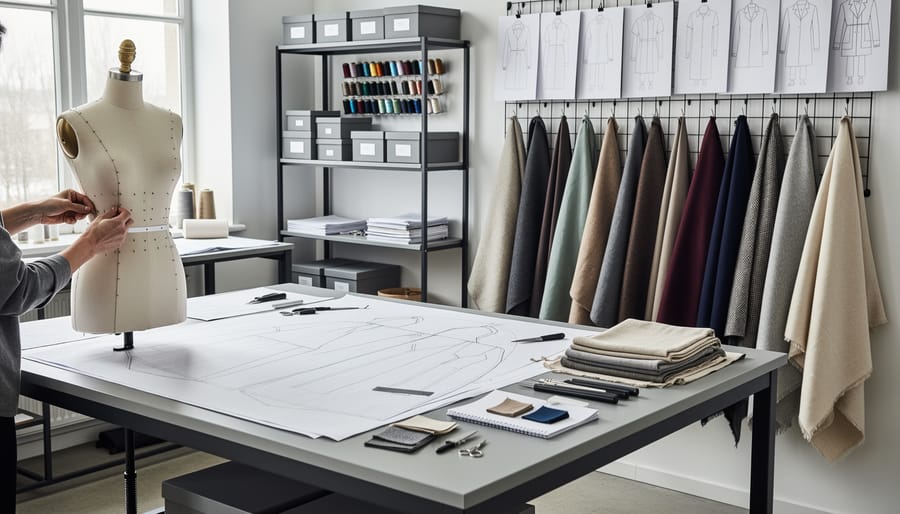
Le-febour stands out among Canada’s fashion landscape with a design approach that marries minimalist aesthetics with meticulous local craftsmanship. Recognized by ELLE Canada as one of the made-in-Canada fashion brands worth knowing, Le-febour represents a growing movement of designers who refuse to compromise on manufacturing integrity.
The brand’s philosophy centers on creating pieces that transcend seasonal trends. Rather than chasing fast fashion cycles, Le-febour focuses on designing garments with clean lines and versatile silhouettes that work across multiple occasions. This thoughtful approach mirrors the same intentionality you’d find in handmade crafts, where each stitch and seam serves a purpose.
By keeping production within Canada, Le-febour maintains direct oversight of quality control and supports skilled garment workers who understand traditional construction techniques. This commitment to local manufacturing creates a transparency rarely found in fashion, similar to how makers who share crochet blanket patterns celebrate the process alongside the finished product.
Le-febour’s contribution extends beyond individual garments. The brand demonstrates that Canadian fashion can compete globally while maintaining ethical production standards. For crafters who appreciate the growing movement of locally-made goods alongside American-made brands or who enjoy personalizing everyday items like a DIY phone case Le-febour represents the same values applied to ready-to-wear fashion.
6. Harly Jae, Contemporary Canadian Style

Harly Jae represents a fresh voice in Canadian fashion, combining contemporary design sensibilities with a commitment to local manufacturing. The brand stands out for its clean, modern aesthetic that appeals to consumers seeking versatile pieces that transition easily from work to weekend.
What sets Harly Jae apart is its dedication to keeping production within Canada’s borders while delivering fashion-forward designs. Rather than chasing fast-fashion trends, the brand focuses on creating thoughtful pieces that reflect current style movements without sacrificing the quality and ethical standards that come with Canadian manufacturing. This approach resonates with a growing demographic of conscious consumers who want their wardrobe choices to reflect their values.
The brand’s place in the Canadian fashion landscape is significant. As one of the made-in-Canada fashion brands to know, Harly Jae contributes to a movement that’s redefining what Canadian style means. It’s not just about maple leaf motifs or stereotypical Canadian imagery, it’s about proving that sophisticated, contemporary fashion can be designed and produced entirely within Canada’s borders.
For craft enthusiasts and supporters of local makers, Harly Jae embodies the same principles that drive the handmade movement: intentionality over mass production, quality over quantity, and the understanding that where and how something is made matters as much as the final product itself.
7. Emerging Canadian Makers, Small-Batch Clothing
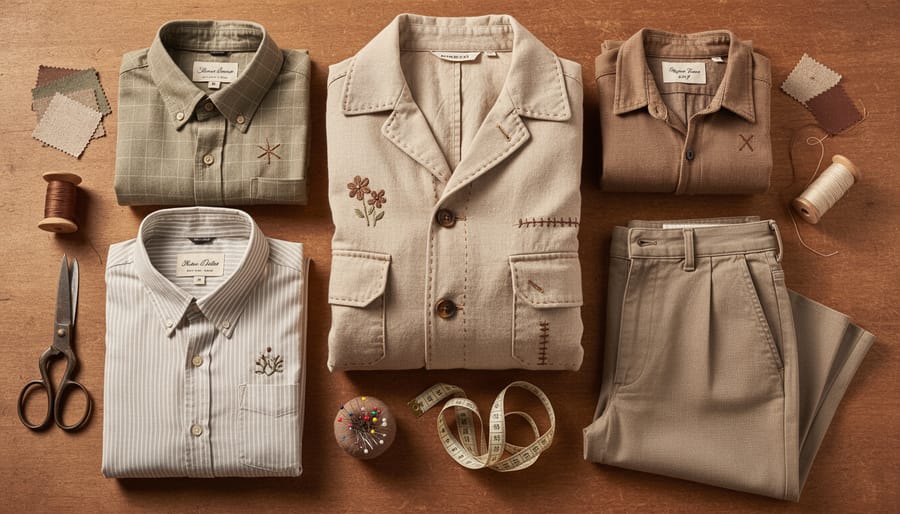
Beyond the established labels, Canada’s fashion scene thrives on independent makers who pour their craft into every piece. These artisans work from home studios and small workshops, cutting patterns by hand, sewing garments one at a time, and keeping traditional garment-making skills alive through practice rather than mass production.
Small-batch Canadian clothing makers often specialize in particular niches. You’ll find knitwear designers hand-looming sweaters in Montreal, natural dye specialists creating plant-colored textiles in British Columbia, and seamstresses crafting made-to-measure dresses in Toronto. They source Canadian-milled fabrics when possible, work with local suppliers, and maintain direct relationships with their customers.
This movement connects deeply with the broader handmade craft culture that conscious crafters champion. When you buy from a small-batch maker, you support someone preserving skills like pattern drafting, hand finishing, and garment construction that fast fashion has pushed aside. Many of these artisans share their process through social media, showing the hours behind each piece and building communities around slow fashion values.
Finding these makers takes more effort than browsing established brands. Search local craft markets, Etsy shops tagged with Canadian locations, and Instagram hashtags like #canadianmade or #madeincanadafashion. Many cities host maker markets where you can meet designers in person, see fabric quality firsthand, and commission custom pieces that fit your exact measurements and style preferences.
8. Indigenous-Made Fashion, Cultural Craftsmanship
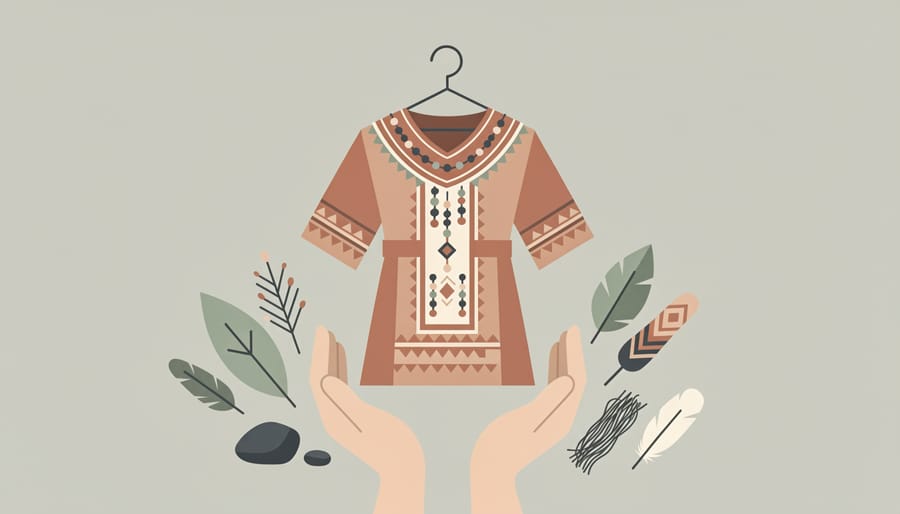
Indigenous-owned fashion brands across Canada are weaving centuries of cultural knowledge into contemporary clothing, creating pieces that honor tradition while pushing creative boundaries. These brands do more than manufacture garments in Canada, they keep ancestral techniques alive, from intricate beadwork and quillwork to distinctive appliqué patterns passed down through generations.
Designers like Lesley Hampton blend traditional Métis star blanket motifs with modern silhouettes, while brands such as Ay Lelum focus on Coast Salish weaving traditions transformed into wearable art. Each piece carries stories, connecting wearers to specific nations, territories, and artistic lineages that predate Canada itself.
Supporting Indigenous-made fashion means investing in cultural preservation. When you purchase from these makers, you’re funding language revitalization programs, mentorship for young Indigenous artists, and economic sovereignty for communities. The craftsmanship reflects deep knowledge systems, understanding natural dyes, working with hide and fur, recognizing the spiritual significance of certain patterns and colors.
These aren’t just clothing purchases; they’re acts of reconciliation and respect. Indigenous designers face unique barriers accessing manufacturing resources and retail spaces, making direct support crucial. Look for brands that clearly identify their nation affiliation, explain the cultural significance of their designs, and demonstrate how they give back to their communities. The fashion becomes a bridge between heritage and contemporary life, proving that traditional craftsmanship has a vital place in modern wardrobes.
What to Look for in Canadian-Made Claims
When you’re shopping for Canadian-made clothing, a few smart questions and label checks can quickly separate authentic local production from clever marketing. The distinction matters because “designed in Canada” doesn’t mean the garment was sewn here, and even “assembled in Canada” can mean most of the work happened elsewhere.
Start by checking the label. Under Canadian law, a “Made in Canada” claim means the last substantial transformation of the product happened here. That’s usually the cutting and sewing of fabric into a finished garment. If a brand says it manufactures in Canada, you can verify by asking which manufacturing processes happen domestically, cutting, sewing, finishing, and where the factory is located. Legitimate Canadian manufacturers are typically proud to share these details.
Look for specificity in brand messaging. Companies like Province of Canada explicitly state they manufacture every product in Canada, while others will clearly list a Made in Canada collection alongside imports. Vague language like “Canadian brand” or “Canadian inspired” without production details is a red flag. Don’t hesitate to contact the company directly, ask where their factory is, what percentage of the garment’s production happens there, and whether they’re willing to share photos or stories from their manufacturing floor.
No official certification currently exists for Canadian-made fashion, but transparency serves as your best indicator. Brands committed to local production usually showcase their workshops, name their production partners, or share maker stories because they view it as a selling point rather than a detail to hide.
Frequently Asked Questions
Shopping for Canadian-made clothing often raises practical questions, especially for those new to supporting local manufacturing. Here are the answers to help you navigate your purchases with confidence.
Is Canadian-made clothing more expensive?
Canadian-made pieces typically cost more than mass-produced imports because they reflect fair wages, quality materials, and ethical production standards. However, they often last longer and require fewer replacements, making them a better long-term investment.
How can I tell if something is truly made in Canada?
Check the garment’s sewn-in label, which should state “Made in Canada” if it meets legal requirements. You can also contact the brand directly to ask where cutting, sewing, and finishing occur, or look for specific details about their manufacturing facilities on their website.
What’s the difference between made and designed in Canada?
“Designed in Canada” means the creative work happened here but production occurred elsewhere, while “Made in Canada” indicates the actual manufacturing took place within the country. Only the latter supports Canadian manufacturing jobs and local artisans.
Where can I find more Canadian clothing brands?
Start with curated lists from Canadian fashion publications, search for local makers at craft markets and artisan fairs, or explore Instagram hashtags like #MadeInCanada and #CanadianFashion to discover emerging designers and small-batch producers.
Understanding these distinctions empowers you to make choices aligned with your values. When you know what questions to ask and what labels to look for, supporting Canadian craftsmanship becomes straightforward rather than overwhelming.
Choosing Canadian-made clothing means investing in more than a garment. You’re supporting skilled artisans who keep traditional sewing and pattern-making techniques alive, ensuring fair wages for local workers, and voting with your dollars for a more transparent supply chain. Every hoodie stitched in Ontario, every flannel cut in Quebec, represents jobs that stay in our communities and knowledge passed from one maker to another.
The brands featured here prove that Canadian manufacturing thrives when we seek it out. From Province of Canada’s everyday basics to Indigenous designers blending ancestral techniques with modern silhouettes, these makers demonstrate that local production delivers exceptional quality and lasting value. You don’t need to compromise on style or pay premium prices for every piece, but choosing even a few Canadian-made items shifts the industry toward sustainability and craftsmanship.
Start with one brand that speaks to your style. Ask questions about where and how your clothes are made. Support the makers who are building something meaningful right here at home.